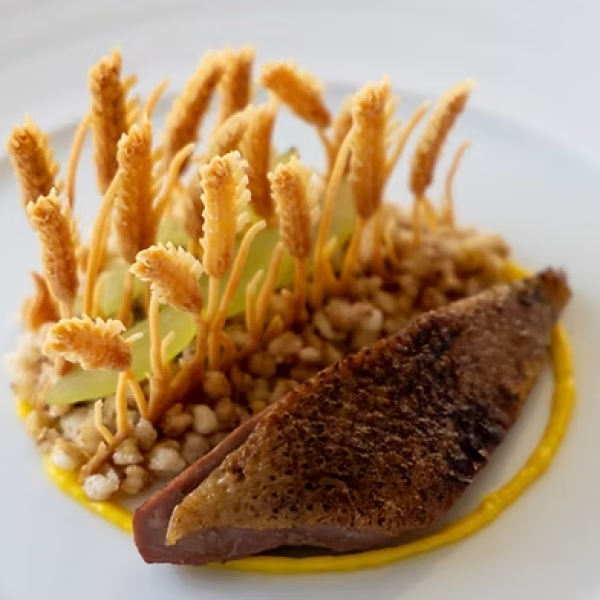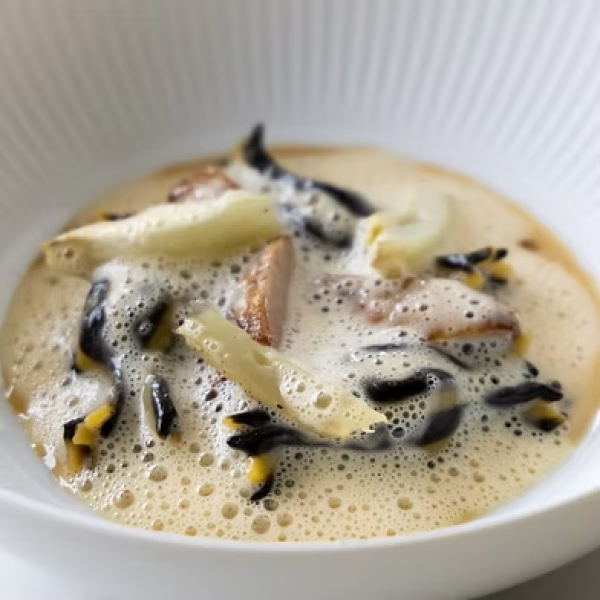
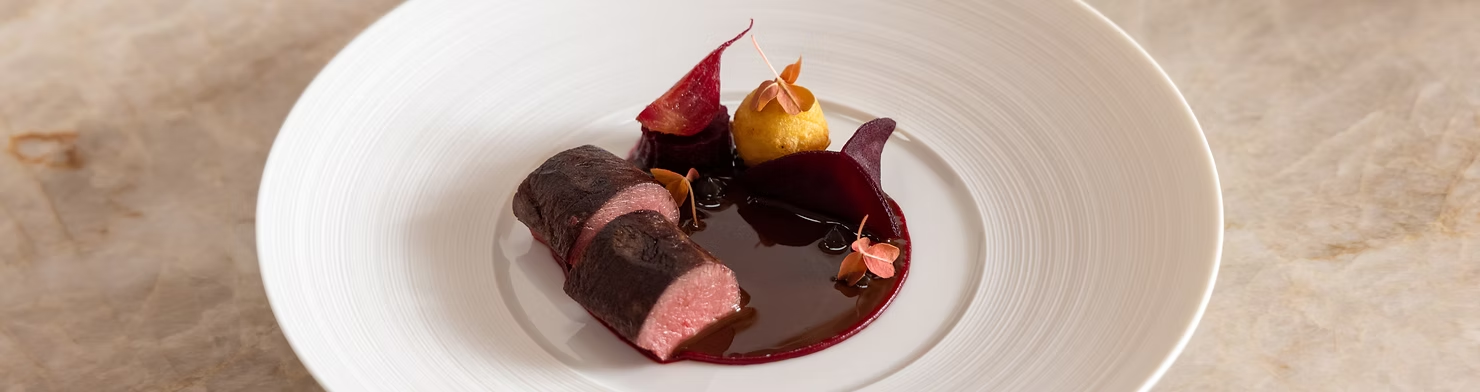
I wanted to end the game season with a banger, so we’re going to make a hare & beetroot dish! It’s different preparations of a beautiful hare & beetroot with black garlic and pommes dauphine with a blood sausage filling.
Hare sauce
Ingredients
- 3 kg hare bones and trimmings
- 250 g shallots
- 150 g leek
- 300 g celeriac
- 250 g carrots
- 150 g celery
- 200 g port
- 400 g red wine
- 6 cloves garlic
- 4 g coriander seeds
- 5 g black peppercorns
- 4 bay leaves
- 4 sprigs thyme
- hare blood
Instructions
- First spread the hare bones and trimmings on an oven tray and toast them at 200 °C for 45 minutes.
- While the bones are toasting we can start cutting the vegetables. First cut the shallots in half and clean them. Now slice them in thin slices. Then cut the leek in half and clean it well. The green part is the part that contains sand and dirt, so check that well. Now slice 150 grams in thin slices. Then clean the celeriac. Cut it in even slices and cut those in even chunks. After that cut the carrot in four and then in thin slices as well. The final prep is to cut the celery.
- Now drizzle some oil in a big pan and start panfrying the cut vegetables on a medium high heat. You want a beautiful golden brown color all around.
- Once you’re happy with the color deglaze the pan with the port and the red wine. Also add the garlic that's cut in half together with the coriander seeds, the black pepper grains, the bay leaves and the sprigs of thyme. Reduce the port and wine for at least 80%.
- After that add the toasted hare bones to the pan and deglaze the oven tray with some water. Let it soak in the oven for a around 10 minutes.
- Meanwhile submerge all the ingredients in the pan with water and then also add the liquid and solids from the oven tray. Now let it simmer on a low heat for at least 12 hours. I always leave it overnight. If necessary, add some more water.
- After that drain the sauce and let it drip for at least 30 minutes so you don’t waste a single drop. Use the finest sieve you have to get the best result.
- Then reduce the sauce on a medium low heat. It needs to reduce on a low simmer so all the solids float to the top. Remove these with a ladle to create a clear sauce.
- Once you’re happy with the flavor pour it into a smaller saucepan and heat it up till the temperature is 70 °C.
- Now while stirring slowly add some hare blood to thicken and flavor the sauce. I don’t really have a quantity for this, just keep on tasting and testing in between. Also don’t let the temperature get any hotter then 70 degrees Celsius, otherwise the blood can split. Give it a final taste for seasoning and it's ready to be used!
The braised hare legs
Ingredients
The brine
- 1 liter water
- 30 g nitrite salt
- 3 sprigs thyme
- 2 g black pepper corns
- 2 g juniper berries
- 2 g cinnamon stick
- 4 cloves garlic that are cut in half
- 4 hare legs 2 front and 2 back
Cooking the legs
- 1 shallot
- 300 g dark port
- 10 g corn starch
- 30 g water
Instructions
The brine
- Mix the water with the nitrite salt, the thyme, the black pepper corns, the juniper berries, the cinnamon and the cloves of garlic that are cut in half. Now bring this to a boil.
- Then turn off the heat and let it cool down completely.
- Once the brine is cold submerge both the front and back legs of the hare. Let it brine for 24 hours in your fridge.
Cooking the legs
- The next day you can take the legs out of the brine and start pan frying them on both sides till golden brown. Do this on a medium high heat with a drizzle of oil.
- Meanwhile cut the shallot in half and clean it. Then slice it in thin slices. Now take the legs out of the pan and start glazing the sliced shallot.
- When it has softened you can deglaze the pan with the dark port. Let it simmer for a couple of minutes to soak the font of the bottom of the pan. Now let it cool down and then pour it into a vacuum bag.
- Also add the hare legs and vacuum this a 100% I’m going to cook the legs sous-vide at 85 °C for 16 hours. If you don’t have excess to a vacuum or a sous-vide, then you can also slowly braise the legs on a low heat. The sous-vide is just more reliable and you don’t need to keep an eye on it.
- Once cooked take the bag out of the oven and let it cool down for 10 minutes. Then open it up and gently place it on a tray.
- When still hot separate the meat from the bones, fat and any other unwanted parts. Place the cleaned meat in a container that’s lined with a piece of parchment paper.
- Now place another piece of paper on the meat and cover it with the same sized container. Put some weight on top and let it set in your fridge.
- Meanwhile you can pass the cooking liquid through a fine sieve and then bring it to a boil. Now mix the corn starch with the water and mix it well.
- Then while stirring slowly add it to the boiling cooking liquid. The liquid is already salty enough, but the texture is too thin. That’s why we bind it with the corn starch. Later we use this to glaze the braised legs. Keep it in your fridge for later.
- Now take the legs out of the container and remove the parchment paper. Portion it to the desired size. Then place them on a tray and keep them covered in your fridge for later.
Salt dough baked beetroots
Ingredients
- 500 g flour
- 500 g gray salt or coarse salt
- 300 g water
- 7 beetroots
- thyme
Instructions
- Transfer the flour on your worktop and make a well in the middle. Fill the well with the gray salt or coarse salt and also add the water. Now bring all the ingredients together and then knead it into a nice dough.
- Then dust your worktop with flour and roll out the dough till it’s a centimeter thick. Place the beetroots on top and also add a couple sprigs of thyme.
- Now cover the beets with the dough and make sure that there are no holes. Then bake it at 180 °C for 1 hour.
- After that let it cool down for 20 minutes before opening up the dough.
- Now clean the beets by scraping the peel off with a small knife. Then slice them in thick slices and portion those slices with the desired cutter.
- Keep the trimmings for later, we’re going to use them to make a delicious beetroot cream. The portioned beetroot you can keep in your fridge.
Beetroot cream
Ingredients
- 1 shallot
- 50 g butter
- 40 g cane sugar
- 2 g salt
- 500 g cooked beetroot trimmings
- 2 sprigs thyme
- 200 g vegetable broth
- 20 g sherry vinegar
- Xanthan gum
Instructions
- Cut the shallot in half and clean it. Now chop it.
- Then melt the butter in a frying pan and also add the sugar and the salt. Let this caramelize for 2 minutes before adding the shallots and caramelizing those till a light golden color starts to form.
- Now add the beetroot trimmings with the thyme and pan fry it for 5 minutes.
- Then deglaze the pan with the vegetable broth and the white wine vinegar and let this reduce almost all the way.
- After that remove the sprigs of thyme and transfer it into a blender.
- Blend it till smooth.
- Then add a knife tip of Xanthan gum and blend it for another minute. The Xanthan gum will prevent the cream from leaking any liquid once plated. Then transfer it into a piping bottle and keep it in your fridge for later.
Blood sausage pommes dauphine
Ingredients
The blood sausage filling
- 280 g blood sausage
- 100 g cream 35% fat
The pommes dauphine
- 600 g floury potatoes I use a Dore potato
- 50 g water
- 50 g milk
- 50 g butter
- 5 g salt
- 50 g flour
- 100 g eggs 100 grams
- black or white pepper
- flour
Instructions
The blood sausage filling
- First remove the skin from a blood sausage. The one I used weight 280 grams. Now transfer it into a blender and blend it till smooth.
- Once smooth add the cold cream and directly stop mixing to prevent it from splitting. Then transfer it into a piping bag and use it to fill a small sphere mold. You could also make these without the mold, but this is just so much easier and precise.
- Let them set in your freezer. Once set take them out of the mold and keep them in your freezer for later.
The pommes dauphine
- Start by peeling the floury potatoes. I use a Dore potato. Then cut the peeled potatoes in even big chunks and transfer them into a pan.
- Add 1 liter of water and season it with 10 grams of salt. Bring this to a boil and boil the potatoes till cooked. This takes around 15 minutes.
- Once cooked drain the water and let them steam dry for 5 minutes.
- Then use a ladle or a big spoon to press the potatoes through a fine sieve. In total you need 500 grams of potato.
- Now mix the water with the milk, the butter and the salt. Heat this on a medium heat till the butter is melted. Then add the flour and while stirring cook the flour for 2 to 3 minutes. We do this to remove the floury taste and make it taste a bit nutty.
- Once that’s done take the pan off the heat and let it cool down for 5 minutes. Then one by one add the eggs and mix it till both eggs are incorporated.
- Now add the choux pastry to the 500 grams of potato and mix it. Then season it with some black or white pepper. Mix it once more.
- Now transfer it into a piping bag and fill the bottom half of a sphere mold. Fill it just below the edge and then press the frozen blood sausage filling in the center.
- Now place the top half on the bottom and press it well. Fill it completely with the remaining dauphine batter and then level the top with a pallet knife. Then let it freeze till solid.
- Once completely frozen remove them from the mold and then keep you can keep them covered in your freezer for a couple of weeks.
Black garlic mayonnaise
Ingredients
- 50 g cleaned black garlic
- 15 g lemon juice
- 50 g egg white
- 35 g sushi vinegar
- 4 g salt
- 4 g squid ink
- 240 g cold neutral oil I use sunflower or grape seed oil
Instructions
- First we need the 50 grams of cleaned black garlic. You can also buy black garlic paste, but I prefer whole bulbs to insure it’s a 100% black garlic.
- Now transfer the cleaned black garlic into a blender and also add the lemon juice, the egg white, the sushi vinegar, the salt and the squid ink. Now blend it till smooth.
- Once smooth add the cold neutral oil and blend it till it’s fully emulsified.
- Then transfer it into a piping bottle and let it set in your fridge for at least 1 hour.
The beetroot and shallot dumplings
Ingredients
The marinade beetroot
- 750 g beetroot juice
- 150 g vegetable broth
- 50 g sherry vinegar
- 3 sprigs thyme
- 1 big beetroot
The filling
- 5 shallots
- 200 g olive oil
- 2 bay leaves
- 3 g salt
Instructions
The marinade beetroot
- Pour the beetroot juice into a pan and reduce it till you’re left with 250 grams. Always know how much your pans weigh. This one weighs 1050 grams when empty, so that plus 250 grams is the weight you need. Super easy to check your reductions with no fuss.
- Once reduced add the vegetable broth together with the sherry vinegar and the thyme. Bring it to a boil, turn off the heat and let it marinade for at least 2 hours.
- After that pass it through a fine sieve and keep it in your fridge for later. Now slice the big beetroot on a mandolin. It needs to be around a millimeter thin. This way of making dumpling also works great with other root vegetables.
- Then stack the slices on top of each other and cut them with the desired cutter. Now season some boiling water with salt and blanch the slices for 5 to 10 seconds.
- Once blanched directly cool them down in ice water. Let them cool down for a couple of minutes before draining the water and ice.
- Then cover the beetroot slices with the marinade we made before and let this marinade for a couple of hours in your fridge.
The filling
- Begin by cutting the shallots in half and clean them. Now chop them. This doesn’t need to be a super precise because we use it for the filling. But it’s always nice to practice your skills.
- Now transfer the chopped shallot into a pan and also add the olive oil, the bay leaves and the salt. Let this confit on a low heat for at least 1 hours. I left mine for 2 hours. It needs to be soft and all the way cooked.
- Then remove the bay leaves and drain the shallot on a fine sieve. The oil is now liquid gold, perfect to finish a hollandaise.
- Once properly drained transfer the shallot into a bowl and season it with black pepper.
- Now place the marinaded beetroot slices on a tray and add a little dot of the shallot filling in the middle.
- Then fold the slices into beautiful dumplings. Just fold three sides together and press the edges well so it holds it’s shape. Keep the covered in your fridge for later.
The final prep
Ingredients
- 5 small chioggia beetroots
Instructions
- We just need to cook some small Chioggia beetroots. Trim the stems just above the beets and then boil them in salted water. This takes about 10 to 15 minutes depending on the size.
- Once cooked drain the water and let them cool down for 2 minutes before rubbing the peel off. This will be a lot easier if the beets are still hot.
- After that cut them in four even pieces or too the desired size. Now place them on a tray and keep them covered in your fridge for later.
How to finish the dish
Instructions
- Let’s begin with reheat all the beetroot prep. Everything is covered and I heat it up in my heat draw at 50 °C. Now for the braised hare glaze the portioned pieces with the glaze and heat up in the heat draw as well. Just give them a bit more heat in the oven before serving.
- For the hare saddle first season it all around with salt. Then add a generous amount of oil to a hot pan and add a knot of butter. Let this caramelize on a high heat and once it stops bubbling add the hare saddle.
- Keep on moving the hare to get that beautiful color in a short time. This prevents the edges from turning gray. Now place the saddle on a metal tray and pour the hot fat on top.
- Cook it for an addition 10 minutes at 110 °C before letting it rest for at least 15 minutes at 50 °C.
- While the hare is resting we can deep fry the pommes dauphine. First cover the balls with some flour and then deep fry them at 180 °C. Be sure that the filling is not showing or that you deep fry them too long. In both cases it can cause the filling to run out. I deep fried mine for 2 to 3 minutes. Then take them out of the oil and season them with salt.
- Now the hare saddle is well rested, so we can cut the meat off the bones. Start at the top and just follow the spine and ribs. You’ll end up with a beautiful piece of game meat.
- Now drizzle some of the black garlic mayonnaise on the glazed hare and do the same with the hot beetroot cream. Then insert a skewer in the meat, place it on a side plate and put some sorrel leaves or oxalis leaves on top.
- Now place a big plate on a turn table and turn it. Use this to create an even circle with the beetroot cream. Then put a beetroot dumpling on the circle and also add the salt dough baked beetroot, a couple dots of the beetroot cream, the Chioggia beetroot, the pommes dauphine, a couple dots of the black garlic mayonnaise and for freshness also some sorrel leaves or oxalis leaves.
- Now put the hare saddle on the other side and serve the dish with the braised hare and the warm blood hare sauce. Then on the table you can finish the dish with that gorgeous sauce!
The pairing

To pair this lovely hare dish I choose for a bottle of red wine from Château Canet. More information
After spending 15 years in Burgundy, Floris Lemstra and his wife Victoria Bake pursued their dream by moving to southern France. In 2005, they explored the Languedoc-Roussillon region and founded a négociant business in Carcassonne. A few years later, they acquired Château Canet, a estate located in the Minervois appellation.
The wine is made from hand-harvested grapes picked at optimal ripeness from a low-yielding vineyard, resulting in great concentration. Half of the cuvée undergoes carbonic maceration, while the other half is cold-macerated for seven days and fermented traditionally with daily foot pigeage. After blending, the wine is aged in barrel for 14 months.
It shows an elegant, refined aroma with well-integrated oak, dark fruit notes such as blackberry and blueberry, and hints of violet and black pepper. On the palate, it is rich and full-bodied, with balanced structure, soft tannins, and a fleshy, intense character where the oak enhances without dominating.